Why IPS Must Replace Traditional Brand Metrics When AI Becomes the Most Prominent Entry Point for Car Purchases
A silent power shift is taking place at the front end of the automotive consumption decision-making chain.
In the first half of 2026, the domestic automotive market did not perform well. According to data from the China Association of Automobile Manufacturers, from January to June 2026, passenger vehicle production and sales were 12.721 million units and 12.72 million units respectively, down 5.9% and 6% year-on-year.
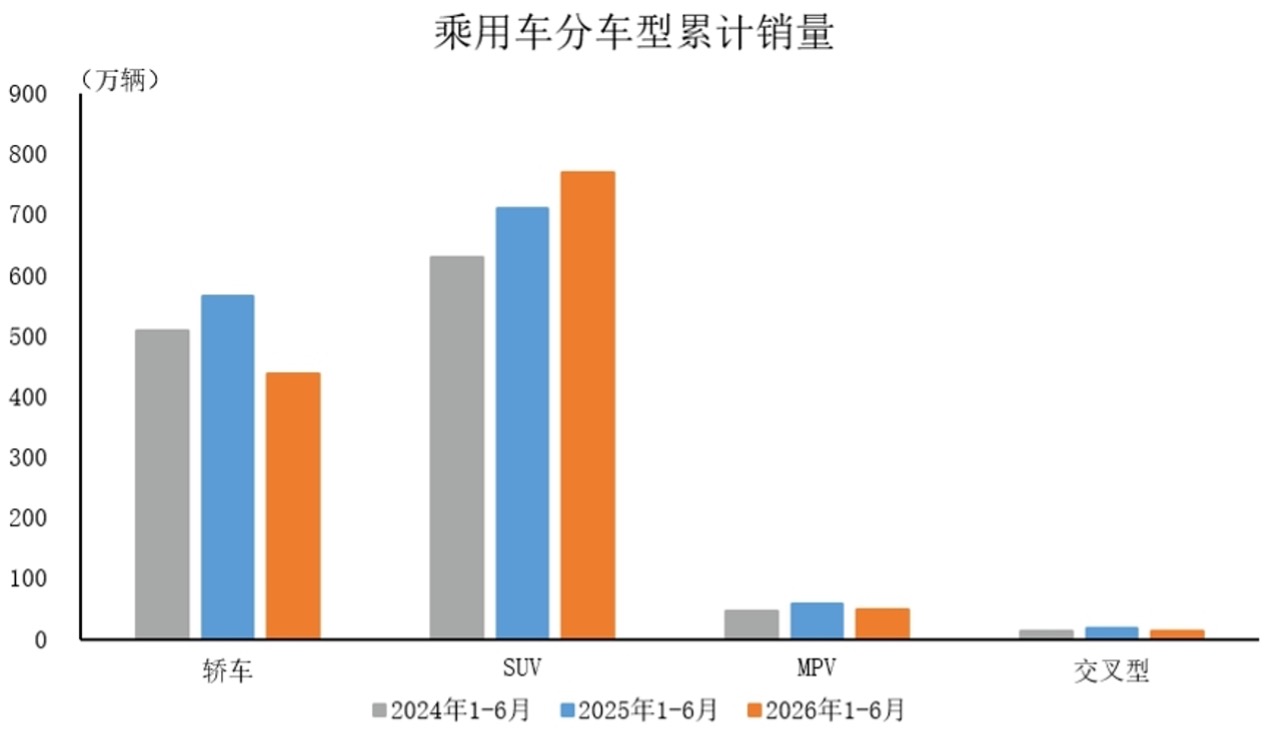
From January to June 2026, domestic sales of passenger vehicles were 8.288 million units, down 24.3% year-on-year.
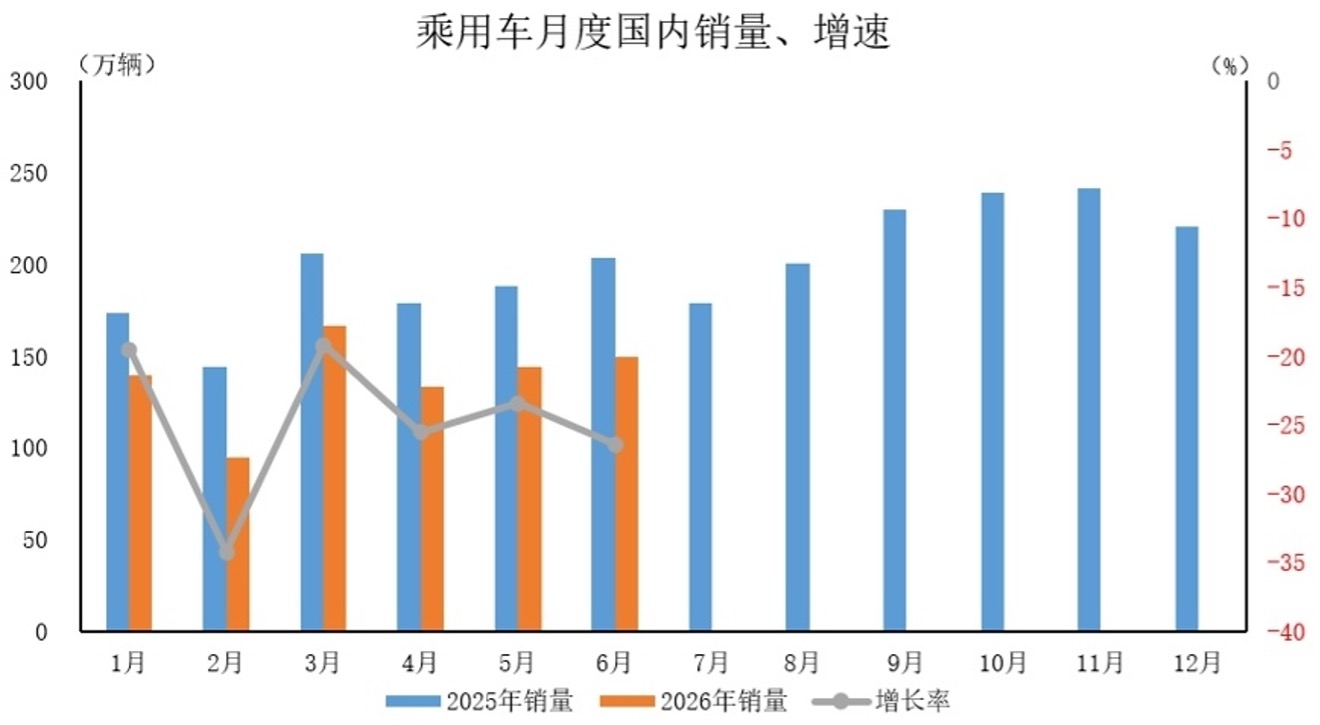
The sales growth bottlenecks currently faced by automakers are forcing the industry to carefully recalculate and re-examine where each marketing budget is directed.
AI Becomes the Most Promising Entry Point for Car Purchasing
Data shows , 88.6% of consumers use AI tools to gather car purchasing information (iResearch, "2026 Automotive Industry AI Source Influence Index Report"). AI's decision-making reference influence has surpassed that of the majority of mainstream social media platforms.
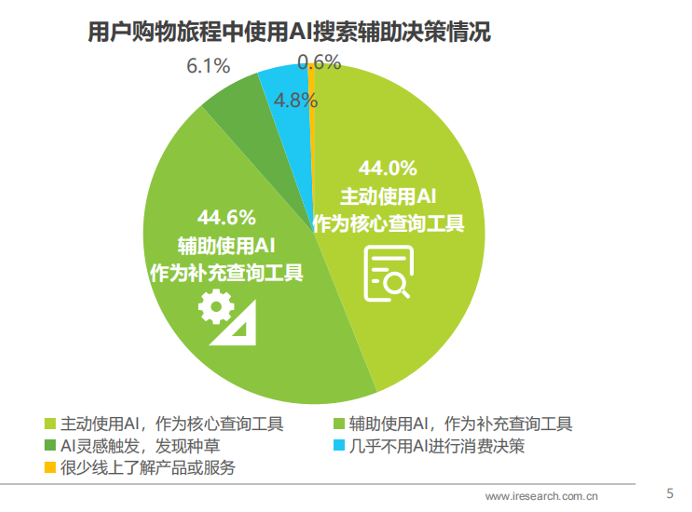
The dividends from user awareness gained through ad placements and channel exposure are gradually diminishing. The way users obtain information has shifted from passively receiving brand-promoted content to actively searching through AI large models for objective and neutral car purchase references.
In this context, a question regarding the fundamental logic of brand marketing arises: When users prioritize opening an AI dialog over automotive vertical media for car purchase decisions, what should brand management focus on?
How Does the AI Decision-Making Chain "“Block” Traditional Brand Assets?
Traditional automotive marketing logic is built on a clear chain: Ad exposure → Brand awareness → Vertical media price comparison → In-store test drives → Purchase. Brands can manage every step of this chain by controlling ad channels and content output.
AI tools have completely changed the game. The user's decision-making chain becomes: Open the AI dialog box → Input needs → AI returns filtered results → Lock in a shortlist → Targeted verification → In-store transaction.
The key feature of this change is: from a one-way output of “brand to user”, it has become a reverse search of “user to AI to brand”. The brand is no longer the active sender of information, but has become a “passive respondent” retrieved, filtered, and reorganized by AI.
As a result, automakers are jointly facing an unprecedented measurement dilemma.
The “brand image” and “user mindshare” that brands have painstakingly shaped with huge budgets may be significantly discounted in AI's “cognition”.
Brands have absolutely no idea what AI is “saying” to users —— no monitoring tools, no management handles, no evaluation metrics.
This is precisely the fundamental limitation exposed in the AI era of traditional brand management metrics ——CSAT (satisfaction) and NPS (net promoter score) ——.
AI era, why are CSAT and NPS“not enough”?
CSAT (Customer Satisfaction) measures how satisfied users are with a purchased product or service. Its core value lies in identifying product shortcomings and driving repurchase, but its limitations are sharply amplified in the AI era:
- Post-hoc: The survey is triggered only after the user completes the purchase, at which point the brand has already “passed the first round of screening” in the user's decision list. CSAT cannot answer “why did the user include me in the alternatives” or “why didn't they consider me at all”.
- Mismatched object: CSAT asks “are you satisfied with my car?”, but under the new decision-making system, the first problem a brand must solve is “AI why should recommend me to users”.
NPS (Net Promoter Score) measures user loyalty by asking “how likely are you to recommend this brand to a friend?”. Similarly, NPS is also facing structural challenges:
- “Human recommendations”’ influence is being diluted by “AI recommendations”. NPS measures word-of-mouth among people, but when users tend to ask AI“What do you think of this car?” instead of directly asking friends, the actual impact of the “recommendation intent” measured by NPS on car purchase decisions is declining.
- NPS is an “outcome”, not a “cause”. A high NPS score indicates users like your car, but you cannot know why, nor can you understand how AI perceives and relays your brand.

IPS’s Logic: From “Managing Human Minds” to “Managing AI Recommendations”
Unlike traditional brand evaluation dimensions, IPS manages not just the decision endpoint, but the entire decision chain.
IPS (Intelligent Recommendation Score) reflects a quantitative indicator of a brand's "active recommendation strength" in AI generative engines, consisting of 2 sub-indicators:
- VS (Visibility Score), the probability of a brand appearing in recommendation Q&A, measuring the brand's "familiarity" in the AI mind.
- RS (Ranking Score), the order of a brand appearing in recommendation Q&A, measuring the brand's "priority" in the AI mind.
What IPS core monitors and controls is precisely the key link determining whether a brand enters the user's field of vision—AI recommendations. (IPS is highly correlated with the following month, R²=0.82+)
Precisely because IPS has strong business guidance, in the new decision-making environment centered on AI, IPS is replacing traditional indicators and becoming the north star indicator for automotive brand management.
Based on IPS quantitative data, automotive companies can precisely implement refined operational actions, making targeted adjustments to content strategy, optimizing placements, and managing public opinion linkage, continuously improving the brand's recommendation priority and exposure in AI engines.
It can be said that grasping IPS and deeply operating AI source management have become the core key for automotive companies to seize new-era car purchase traffic and achieve long-term sales growth.